I’m currently teaching a 3-week course on the short fiction of Stephen King, and inspired by the excellent conversations the students and I are having in that class, we’ll spend the next few weeks here diving into a few of King’s short stories.
First up: “Rainy Season” from the 1993 collection Nightmares & Dreamscapes. This story frequently gets lost in the shuffle of King’s better known or more frequently-adapted stories, but personally, it’s a story that I think of often and remember vividly between rereads. As an extra added bonus, it also has some strong Shirley Jackson vibes, echoing Jackson’s unnerving “The Summer People” (included in her Dark Tales collection).
Jackson’s “The Summer People” and King’s “Rainy Season” are stories about couples getting away from the humdrum hustle of their everyday lives, as Mr. and Mrs. Allison buck convention and decide to stay on at their summer place a few weeks into the fall in “The Summer People” and John and Elise Graham are spending a summer in Willow, Maine, where John is taking a break from his university teaching position in Missouri and traveling to Maine to do some place-based scholarly research. (I’m a bit relieved that I didn’t reread this story before my own Missouri-to-Maine academic research trip. Bit too on the nose).
Both the Allisons and the Grahams are welcomed by the small town people they encounter, though those interactions quickly become uncanny and unsettling. The shopkeepers and local people the Allisons have had amenable relationships with in previous years and throughout the summer become reticent when the Allisons announce their intent to stay on past Labor Day and later, become actively hostile when it turns out that the Allisons really aren’t going anywhere, despite the townspeople’s increasingly unsubtle advice. The grocer doesn’t deliver once summer is over, the mail becomes oddly unreliable, and the kerosene delivery man tells the Allisons that he can’t sell them any kerosene because he only has enough for the people who are actually supposed to be there.
In “Rainy Season,” the Grahams don’t have any established familiarity with the people of Willow, so there’s no “before and after” type comparison to mirror that of “The Summer People.” John and Elise’s very first interaction with some of the local people comes when they meet Henry Eden and Laura Stanton at the local general store, are welcomed to town, and then John is almost immediately told “I think you and the Missus might want to spend tonight out of town” (416). Nice to meet you, welcome … now get out.
The sense of place is particularly significant in both of these stories: these are places that are steeped in tradition and those traditions are non-negotiable. There’s a certain way things ought to be done and if they aren’t … well, there’s bound to be trouble. Both the Allisons and the Grahams find themselves navigating spaces that should be pretty easy to define and maneuver (small towns), but find out that there’s more than meets the eye and what they see on the surface is just a fraction of what these places really are.
Much of the conflict in these stories comes from the characters believing that they know the place they’re in and making decisions based on these flawed perceptions. The Allisons are certain that even though they are “summer people,” they belong and will be welcome in that place after the summer has ended. The townspeople’s resistance could be just a matter of local folks being tired of the tourists and ready to see them go—a switching of sorts from the “public” face they collectively wear for the summer people to the “private” face they wear the rest of the year—or some darker, undisclosed reality. Either way, the situation quickly becomes more ominous, as the Allisons’ car is tampered with, their phone line is cut, and they’re left sitting in their isolated, dark cottage, waiting for whatever comes next. And that’s where Jackson leaves us: alongside the Allisons, as “while the lightning flashed outside, and the radio faded and sputtered, the two old people huddled together in their summer cottage and waited” (195). We don’t know exactly what they’re waiting for or what happens when it arrives, but it’s almost a question that doesn’t need to be answered. Whatever it is, it’s not good.
In “Rainy Season,” King is much more straightforward in identifying the dissonance between the Grahams’ perceptions and the true nature of Willow. The locals come right out and say it, as odd as they know it will sound and as unlikely as they are to be believed: “You see, folks, it rains toads here in Willow every seven years. There. Now you know” (418). The Grahams are told about this rain of toads early on (an overt warning, as opposed to the more covert warning of “The Summer People”), but they don’t believe it. They are initially perplexed by the townspeople’s remarks, though that confusion quickly gives way to a volatile combination of anger and humor, as they derisively dismiss both the warning and the warn-ers … which is a real kick in the pants when it turns out they were telling the truth. During the Grahams” first night in the farmhouse (the night they were encouraged to spend away from Willow), the rain of toads comes, falling from the sky, crashing through the windows, and bursting through whatever barricades the Grahams build against them. And these aren’t normal toads:
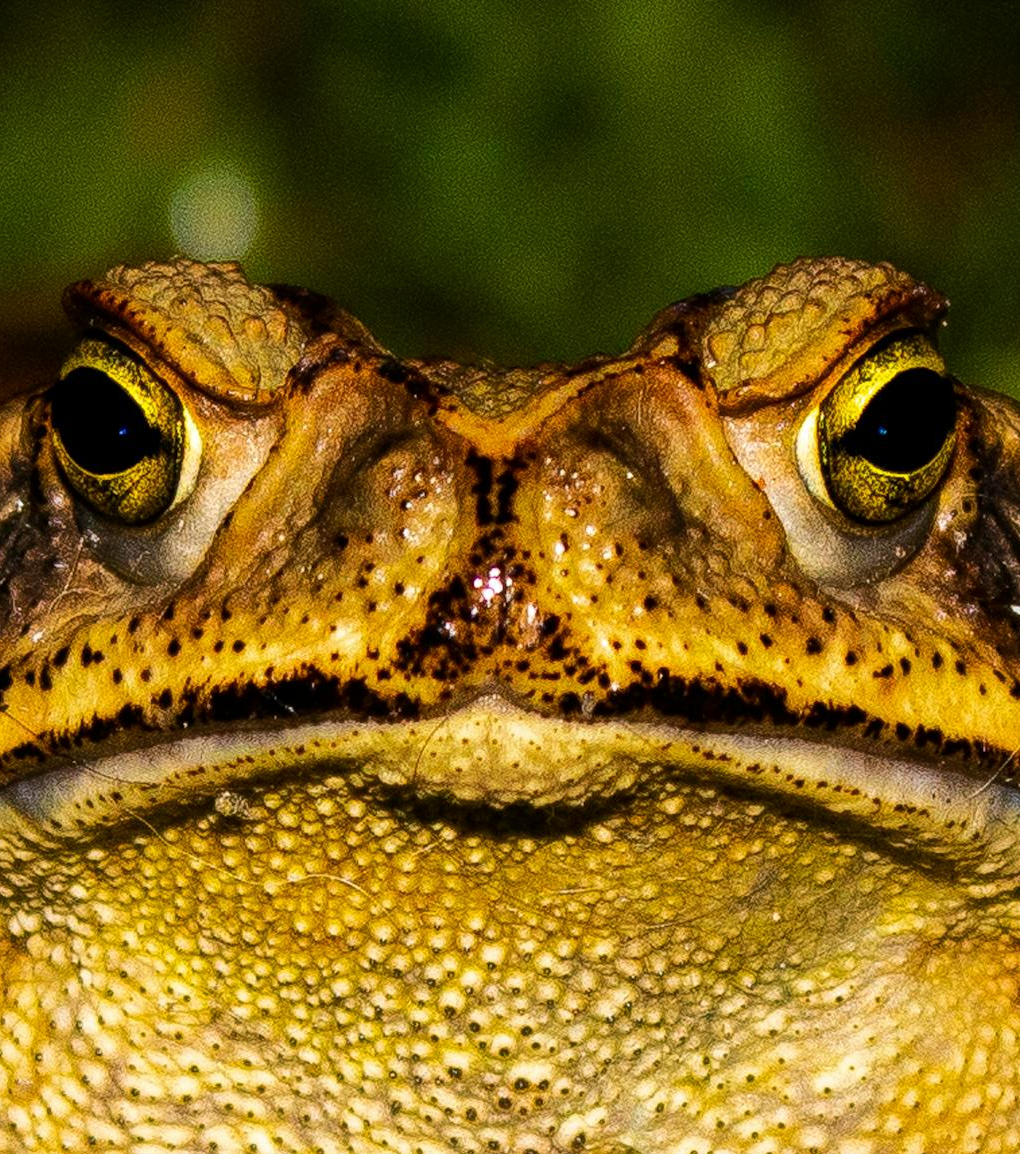
The thing hopping across the glass-littered floor toward him was a toad, but it was also not a toad. Its green-black body was too large, too lumpy. Its black-and-gold eyes bulged like freakish eggs. And bursting from its mouth, unhinging the jaw, was a bouquet of large, needle-sharp teeth. (426)
The Grahams are unprepared for this threat, first because they refused to believe the people who warned them about it and second, because the threat is outside the scope of what should be naturally possible, through these horrifying and deadly toad-like mutations that shouldn’t exist. And they cease to do so when the sun rises over Willow the next day, literally evaporating from the ground, the houses, and anywhere else they may have chanced to land. Not that the Grahams are there to see it.
In addition to the characters’ misperception of the spaces and places they occupy in Jackson’s “The Summer People” and King’s “Rainy Season,” there is the promise of future horror to come. These places and their history are inextricable from the seasonal cycles of violence that shape each. In Jackson’s story, summer people will keep on coming to this community year after year, most of them never suspecting the dark reality of the place where they come to get away from it all (unless they stay after Labor Day and even then, they won’t be telling anybody). In King’s “Rainy Season,” the toads come every seven years, with a seemingly fated ritual accompanying their arrival: as Laura reflects as the post-toad cleanup begins, “rainy season always comes around again, and the outsiders come with it, always two of them, always a man and a woman, and we always tell them exactly what is going to happen, and they don’t believe it, and what happens … happens” (436, emphasis original).
The horrors have happened before and they’ll happen again. The outsiders who endure them won’t be alive to tell their stories, but the places themselves will endure.
[Page numbers for “Rainy Season” are from the hardcover first edition of Nightmares & Dreamscapes. Page numbers for Jackson’s “The Summer People” are from the 2017 Penguin Classics edition of Dark Tales.]

 Exploring Stephen King's Maine