In “The Man in the Black Suit,” there is a stark distinction between the domestic and the wilderness. While the real danger lurks outside, Gary’s home is also a complicated place, shaped by his family’s grief and his mother’s fear.
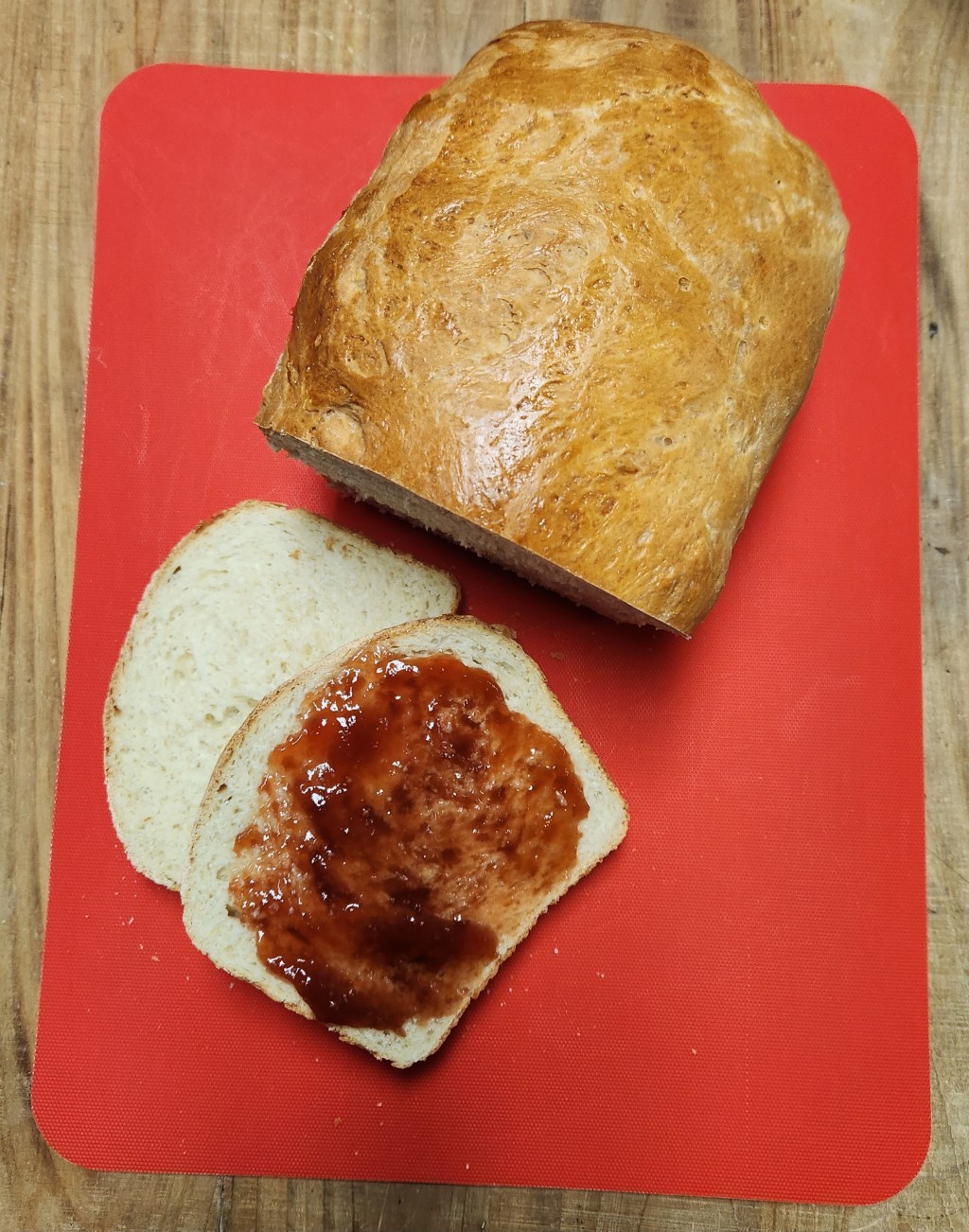
A year before Gary’s encounter with the Devil by the Castle Stream, his older brother Dan died following a bee sting and severe allergic reaction, a shock and horror that have permanently fractured Gary’s family. The day he sets out to go fishing, Gary’s mother is kneading bread in the kitchen as his dad reminds him not to go past the fork in the stream. Gary gives his promise, but notes that his mother has “the same worried kind of smile she always seemed to make since my father brought Dan back from the west field in his arms” (39). She knows all too well what could happen to her son while he’s out of the house and on his own, having already seen her greatest fear realized. She worries, she sees Gary off, and she continues to knead her bread, putting some of that love into the food with which she will feed her family. Later, when Gary is fleeing from the Devil, desperate to get back to his home and his mom, he runs into his father, who has some of that bread with him, telling Gary “your mother made us a couple of jelly fold-overs. Her new bread. Still warm” (59). This food may be a comfort, but it doesn’t calm Gary’s terror or his certainty that his mother is dead on the kitchen floor, just as the Devil told him. Only seeing her with his own eyes and feeling her arms around him can do that.
Carle-Sanders includes a recipe for “Farmhouse Egg Bread” in Castle Rock Kitchen, inspired by “The Man in the Black Suit.” This is a good, hearty bread recipe that Mama Garraty notes is “a fine-crumbed, long-keeping loaf that is perfect for toast and sandwiches” (177), as well as jelly fold-overs. Personally, I haven’t always had the best luck making bread, but this one turned out well. I actually made this a couple of times, the first time following the recipe to make loaves and the second time, adapting it slightly to make rolls for Thanksgiving dinner (the recipe made 24 good sized rolls). As I kneaded and shaped the dough, I thought about the labor that goes into making food for those we love, the achievement of domestic pleasure that (hopefully) comes through these acts of caring, cooking, and baking. It can’t keep all the horrors away, as Gary’s family can attest, but it does offer some comfort in an often cold world. And of course, fresh baked bread smells GREAT.
The other important moment of eating in “The Man in the Black Suit” is when Gary gives the Devil one of his freshly caught fish, which buys Gary the time he needs to make his escape. When Gary holds out his fish to the Devil, “He snatched it away from me and crammed it into a mouth that opened wider than any human mouth ever could … He slid the fish in like a man in a travelling show swallowing a sword. He didn’t chew, and his blazing eyes bulged out, as if in effort. The fish went in and went in, his throat bulged as it slid down his gullet” (53-54).
This is a much different food experience than that of Gary’s mom’s bread, calling to mind Claude Lévi-Strauss’s The Raw and the Cooked (1964), in which he argues that this dichotomy between raw and cooked is applicable to the larger human condition, with raw corresponding to nature while cooked aligns with culture.
The Devil symbolizes the wilderness, uncontrollable and unmediated power, while Gary’s mother is on the side of order, culture, and reason. With the memory of the Devil consuming his fish still fresh in his mind, Gary needs to see his mom and enter her warm, still bread-smelling kitchen, to restore order to his own mind and believe that the danger has passed, even if only temporarily. After all, a fish won’t keep the Devil full forever and as an old man telling his story, Gary’s final question is “suppose he is still hungry?” (67).
[Page numbers are from the Pocket Books paperback edition of Everything’s Eventual]

 Exploring Stephen King's Maine